Is Iran Holding Back Deadliest Missiles?
-

- by Super Admin,
- Mar 31, 2026
- in World News
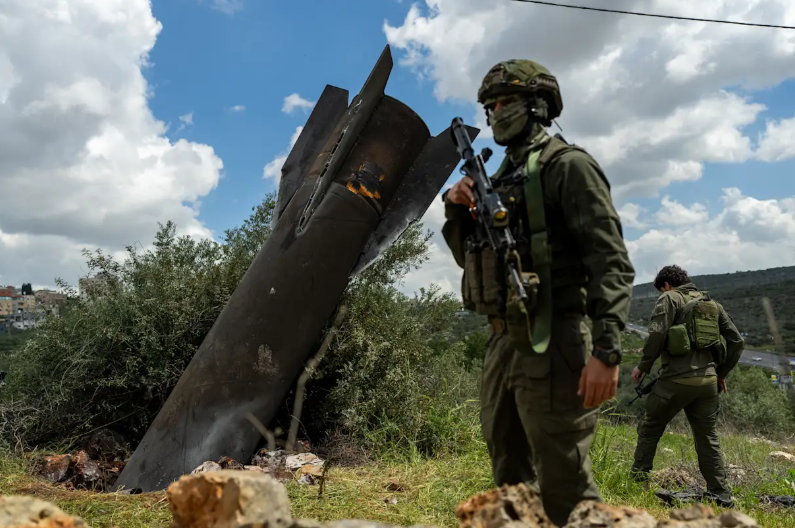
As the conflict in the Gulf continues to escalate, military analysts and regional powers are grappling with a significant question: Is Iran holding back its deadliest missiles? Despite weeks of high-intensity strikes and nightly barrages, some of Tehran’s most sophisticated weaponry has yet to appear on the battlefield. This includes the recently unveiled Qassem Basir, a missile equipped with a 500kg warhead and an optically guided seeker designed to bypass electronic jamming. While Iran has claimed this technology allows them to strike anywhere at any time, these advanced systems have largely remained in reserve, leading to intense speculation about Iran's long-term military strategy.
Several theories exist as to why these high-tech missiles are sitting out the current war. Some experts suggest that these systems may not be fully operational yet, or that their inventories are extremely limited. Others believe that Tehran is waiting for a moment when its adversaries run low on interceptors before deploying their most capable assets. We have already seen glimpses of this advanced technology in recent attacks on liquefied natural gas facilities, which reportedly utilized missiles with maneuverable warheads. For a deeper look into the specific missile types and the intelligence behind these theories, you can read the full analysis at The Australian Financial Review, which explores the looming risks for Gulf states.
The list of missing weaponry is notable. Along with the Qassem Basir, missiles like the Etemad and the Fattah-2—which allegedly features a hypersonic glide vehicle—have not yet seen combat. Even the Raad-500, a maneuverable short-range system, remains grounded according to public tracking data. Instead, Iran has primarily relied on older, lower-tech models, progressively adding a few newer solid-fuel missiles like the Sejjil and the heavy Khorramshahr. This suggests a strategy of conservation, where Iran is firing at a steady but reduced pace to maintain its arsenal while its launch sites are under constant pressure from air strikes.
Ultimately, the current standoff has turned into a high-stakes game of attrition and bluffing. Iran is hesitant to waste its best technology if it will simply be intercepted by sophisticated defense systems like the Arrow or David’s Sling. Conversely, its opponents are careful not to exhaust their supply of expensive interceptors on low-tech threats. While the recent long-range strikes toward distant military bases served as a powerful political signal, they also showed that Iran can extend its reach by modifying existing payloads. Whether these "deadly" missiles are truly being saved for a decisive moment or are simply fewer in number than claimed remains the central mystery of this regional conflict.
0 Comments
Leave a Reply
📰 You May Also Like
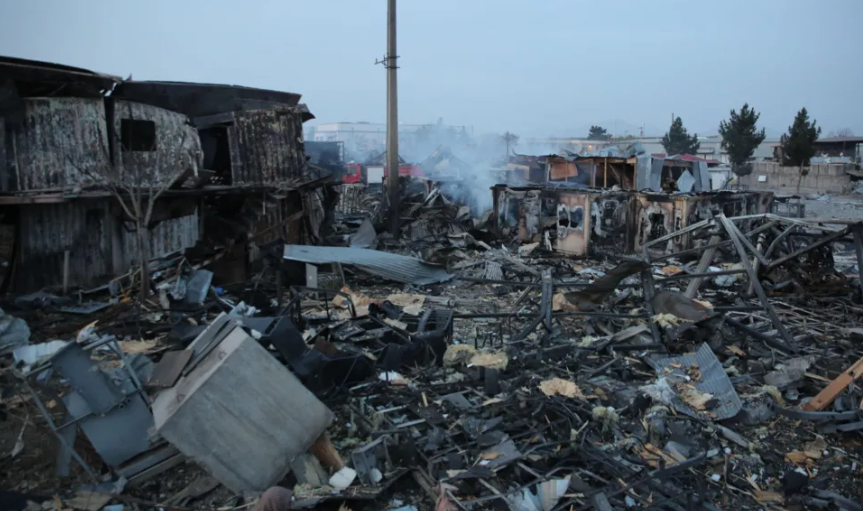
Pakistan Air Strike Kills Over 100
Mar 30, 2026
Iran Launches True Promise 4 Operation
Mar 28, 2026
Iran Introduces New 1 Crore Banknote
Mar 26, 2026
No comments yet. Be the first to comment!