Iran Currency Crash Hits New Record
-

- by Super Admin,
- Jan 29, 2026
- in World News

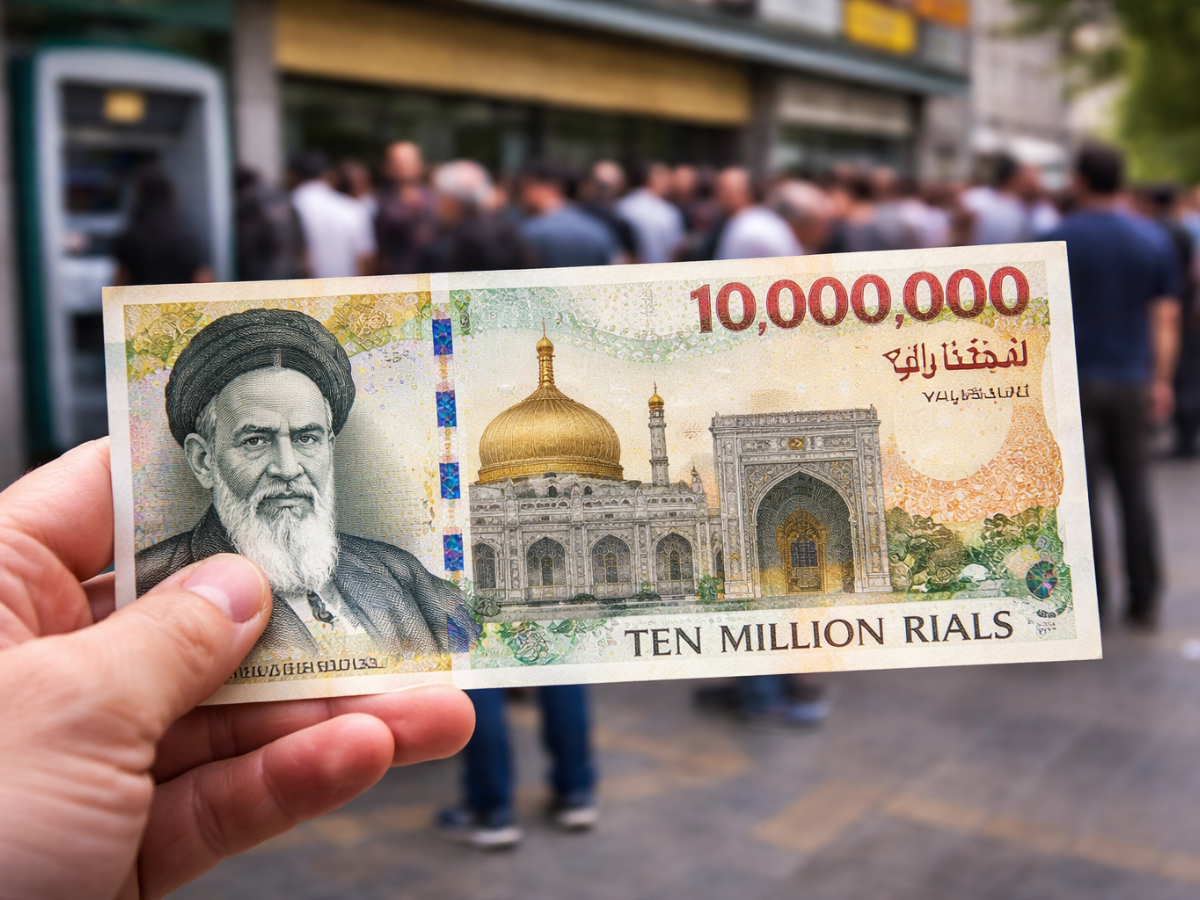
The economic landscape in Iran has entered a precarious phase as the national currency plunges to unprecedented depths on the unofficial market. On Tuesday, the Iranian rial fell to a fresh record low, with the US dollar quoted at approximately 1.47 million rials. This dramatic devaluation is more than just a financial metric; it has become a catalyst for public unrest, igniting protests across Tehran and other major cities where economic grievances are taking on an increasingly political edge. Traders have reported similar trends for other major currencies, with the euro trading around 1.72 million rials, reflecting a comprehensive loss of confidence in the local tender. As inflation soars and purchasing power evaporates, many citizens are desperately turning to hard currency and gold as essential stores of value to survive the volatility.
In an effort to quell the rising tide of frustration, President Masoud Pezeshkian’s administration has signaled a shift in its support mechanisms. The government is floating new relief measures, including a proposed monthly electronic coupon scheme aimed at cushioning low-income families from the immediate shock of price hikes as traditional subsidies are rolled back. However, critics argue that the underlying system remains flawed, often fueling distortions and rent-seeking rather than containing inflation. A closer look at the draft budget for the next fiscal year reveals a complex set of priorities shaped heavily by security concerns. While the government projects a massive sixty-three percent increase in tax revenues, placing a significant strain on households, allocations for military and security institutions account for a substantial portion of total resources. You can view the specific market reactions and footage related to this economic downturn in our latest
The paradox of the Iranian economy lies in its untapped potential versus its actual performance. Official data underscores that despite years of stringent sanctions, the country generated approximately 193.5 billion dollars in crude oil export revenues over the past five years. Yet, over a similar period, the gross domestic product has contracted sharply, dropping from around 600 billion dollars in 2010 to an estimated 356 billion dollars in 2025. This significant divergence highlights a critical missing link: the issue is not just about the availability of resources, but how they are absorbed and allocated. With services making up more than half of the GDP and a diversified export base, the capacity for growth exists, but it is currently stifled by mismanagement and structural inefficiencies. As the debate over the country's future intensifies, it is clear that economic stability, rather than diplomatic maneuvering alone, will be the defining factor for Iran's trajectory.
0 Comments
Leave a Reply
📰 You May Also Like
Iran Introduces New 1 Crore Banknote
Mar 26, 2026
Iran Pledges Oil to Sri Lanka
Mar 25, 2026
Iran Strikes Tel Aviv With Cluster Warheads
Mar 18, 2026
No comments yet. Be the first to comment!