Is CPEC Becoming A Huge Burden?
-

- by Super Admin,
- Jan 17, 2026
- in Economy
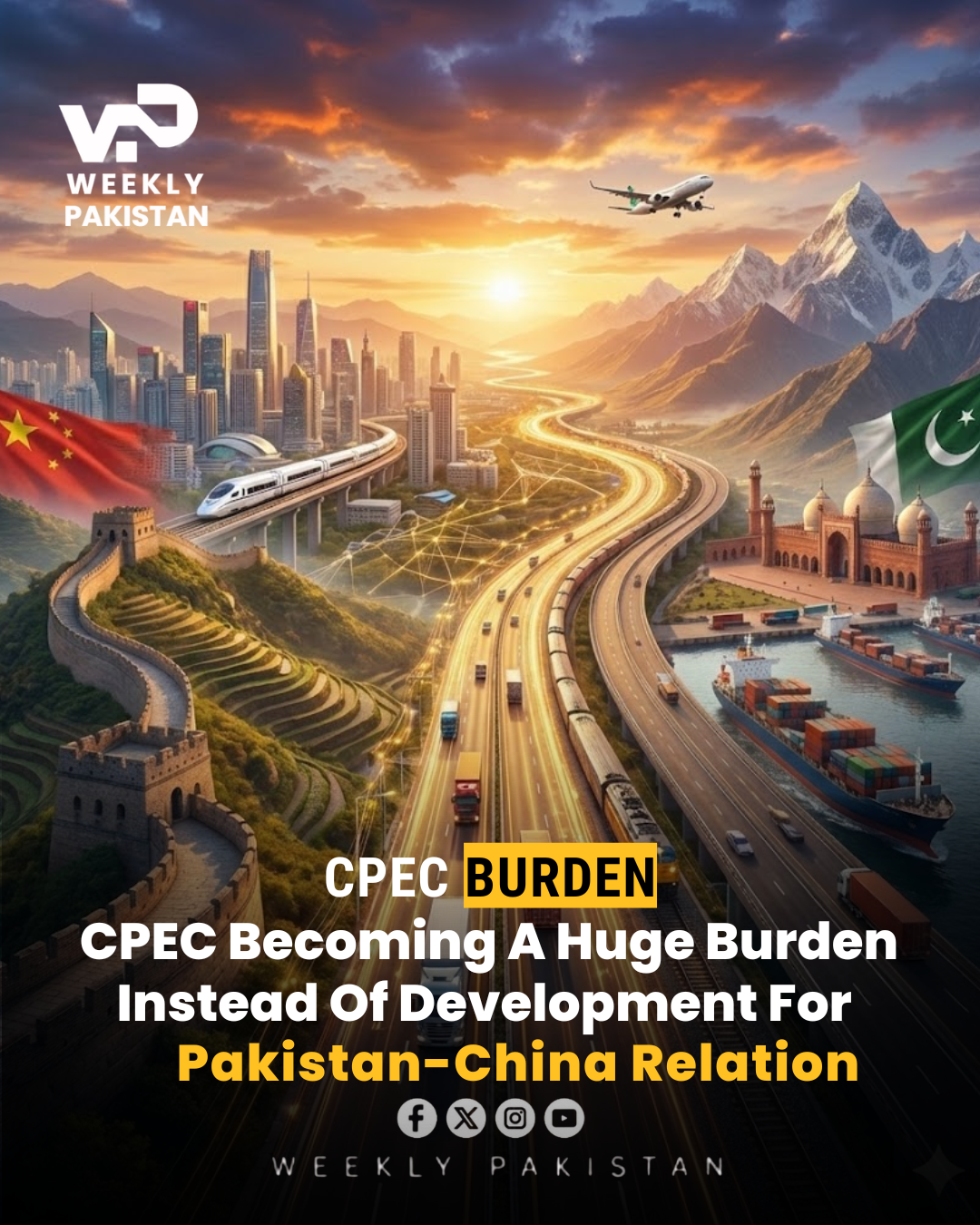
There has been a significant amount of debate in recent times regarding the China Pakistan Economic Corridor, with various Western media outlets suggesting that the project is detrimental to the local economy. Reports suggesting that the project is based on unfavorable terms have led many to ask if we are seeing CPEC becoming a huge burden instead of a source of development for Pakistan. However, a closer look at the financial structure and the official facts clarifies that these negative perceptions are largely based on distorted facts and incorrect information. CPEC remains the flagship project of the Belt and Road Initiative, having actualized twenty-two projects worth billions of dollars to date, serving as a vital engine for economic growth rather than a debt trap.
It is crucial to understand that the financial modes of this initiative are completely different from Chinese investments in other countries like Sri Lanka or Malaysia. The financing under CPEC is a mix of government-to-government loans, investment, and grants. For instance, the development of the Gwadar Port is largely grant-based, meaning the Government of Pakistan is not obligated to pay back the invested amount. Furthermore, the energy projects are executed under the Independent Power Producers mode, where private companies take loans against their own balance sheets. This means the debt is borne by Chinese investors, removing the immediate fear of CPEC becoming a huge burden on the Pakistani treasury. You can watch a detailed breakdown of these developments in our latest video [Insert Your Instagram Video Link Here] to see the progress on the ground.
Pakistan opted for this partnership because China stepped forward to support development at a critical time when foreign investment had dried up and the country was facing severe energy shortages. The project is expected to boost GDP growth by significant margins and is not imposing immediate repayment pressure. Outflows for loans are spread over twenty to twenty-five years, ensuring the economy can sustain the payments. With the current government working to broaden the base of the project to include social development, poverty alleviation, and industrialization through Special Economic Zones, the initiative is set to facilitate the country in overcoming crucial infrastructure and supply chain bottlenecks. Rather than a liability, this collaboration enjoys a complete consensus among all political forces as the key to Pakistan’s future socio-economic stability.
0 Comments
Leave a Reply
📰 You May Also Like

Apply for CM Punjab Wheat Program
Apr 13, 2026
Maryam Nawaz Launches Apni Zameen Housing Plan
Mar 28, 2026
Punjab Approves 47 Billion Ramazan Package
Mar 26, 2026
No comments yet. Be the first to comment!