

Published: August 21, 2026
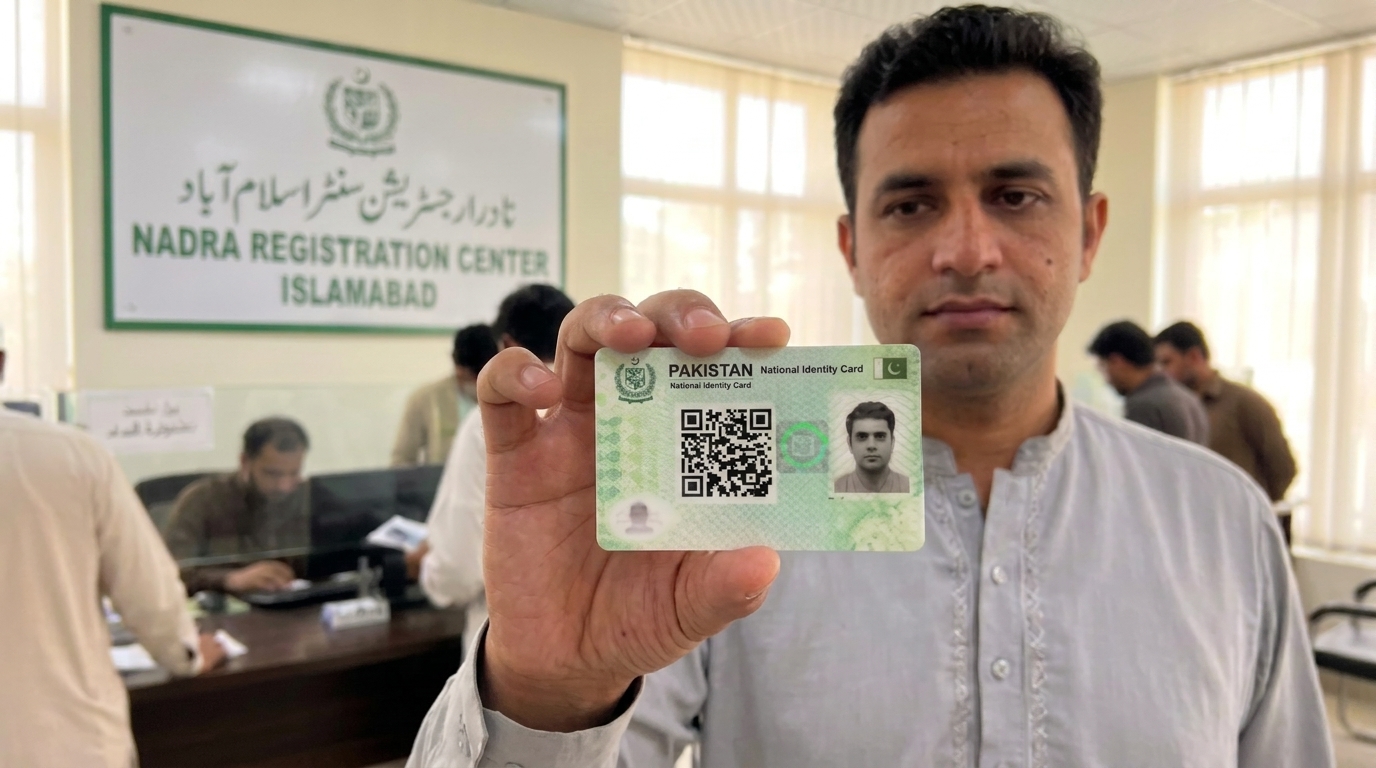
The National Database and Registration Authority (NADRA) has officially commenced the rollout of its next-generation, chipless National Identity Card (CNIC), underpinned by secure QR code technology. Moving away from imported microchips used over the past 14 years, this landmark reform aims to streamline identity verification, reduce foreign component dependency, and bolster domestic manufacturing.
Shifting from Smart Chips to Secure QR Codes
The transition follows strategic amendments notified by the federal government earlier this year to modernize Pakistan's identity card framework. Manufactured locally by the National Security Printing Company (NSPC) in Karachi, the newly designed card incorporates a machine-readable secure QR code.
According to NADRA officials, the previous chip-based smart cards faced infrastructural hurdles, as specialized physical chip readers were largely unavailable across everyday service sectors. The newly adopted QR system eliminates this bottleneck, enabling banks, telecom operators, hospitals, police, and transport services to authenticate credentials instantly using standard smartphone cameras and the official Pak Identity (PakID) application.
Core Features and Phased Rollout
The updated document embeds essential cardholder data and photographs directly inside the scannable matrix. Key highlights of the rollout include:
Bilingual Display: Names and addresses are printed in both Urdu and English.
Inclusive Indicators: Features distinct family tracking numbers alongside specialized symbols for senior citizens, persons with disabilities, organ donors, and residents of Azad Jammu and Kashmir.
Phased Implementation Schedule:
Phase 1 (Started August 14, 2026): Replaces standard domestic CNICs.
Phase 2 (January 2027): Extends to Overseas Pakistanis (NICOP) and Juvenile Cards.
Final Phase: Incorporates Pakistan Origin Cards (POC).
NADRA has reassured citizens that all previously issued identity cards remain fully valid until their printed expiration dates, meaning immediate replacements are unnecessary unless a card is due for regular renewal or modification.
Digital Ecosystem and Security Focus
Alongside physical card updates, NADRA continues to expand its broader digital identity architecture, including the PakID Vault—a secure digital locker enabling citizens to store, manage, and share verified credentials equipped with individual QR verification tags.
While authorities promote the update as a major leap toward self-reliance and bureaucratic efficiency, privacy advocates and cybersecurity analysts emphasize the importance of robust data protection frameworks. Because QR codes can be easily captured via routine photocopies or smartphone captures, robust backend access control remains vital to mitigate potential phishing vulnerabilities.
Citizens looking to modify or renew their identification cards can initiate applications seamlessly via the PakID mobile application or through designated NADRA registration centers nationwide.



No comments yet. Be the first to comment!